
 Enquiry
The thrill of chance and uncertainty
The allure of casino games often stems from the thrill of chance and unpredictability. Players are drawn to the excitement of not knowing whether they will win or lose, creating an adrenaline rush that can be intoxicating. This element of suspense activates the brain’s reward system, releasing dopamine, which generates feelings of pleasure and excitement. Many players find that this cycle of anticipation and reward is a significant factor in their continued participation in gaming activities, especially when they seek casino sites fast withdrawal options that enhance the overall experience and excitement with each game.
Moreover, the unpredictability of games like roulette, blackjack, and slot machines heightens the emotional stakes involved. Players often believe that they can influence the outcome through strategy or lucky rituals, which can lead to a sense of control amidst the chaos. Research shows that this perceived control is essential for player engagement; when individuals feel they have a say in their fortune, their emotional investment and enjoyment are greatly increased. This psychological aspect can lead to an increase in playtime and a deeper emotional connection with the games.
Additionally, the environment within a casino enhances this psychological phenomenon. The bright lights, upbeat music, and the buzz of excitement create a sensory overload that reinforces the thrill of chance. This carefully crafted atmosphere is designed to immerse players completely, making it difficult for them to focus on anything other than potential winnings. Thus, the combination of chance, perceived control, and an enticing environment forms a complex psychological web that keeps players coming back for more, often blurring the lines between entertainment and risk.
The role of cognitive biases
Cognitive biases significantly influence how players perceive their gaming experiences and outcomes. One common bias is the illusion of control, where players mistakenly believe they can affect the results of a game through their actions, even in purely luck-based scenarios. This belief can lead to overconfidence and increased betting, as individuals are less likely to recognize the inherent randomness of games. Such biases can skew decision-making, often resulting in unhealthy gambling habits that can become difficult to break.
Another prevalent bias is the gambler’s fallacy, where players think that past outcomes influence future results. For instance, if a player observes a series of losses on a slot machine, they may feel that a win is “due,” leading them to gamble more recklessly. This fallacy perpetuates the cycle of chasing losses, often causing players to escalate their bets in hopes of recovering previous losses, thereby deepening their emotional investment and complicating their relationship with gambling. Over time, this can lead to significant financial and emotional distress.

Furthermore, the framing of information plays a crucial role in shaping player behavior. For example, presenting odds in terms of potential winnings rather than the likelihood of losing can attract more players to particular games. Understanding how cognitive biases affect player behavior allows casinos to tailor their marketing strategies effectively, often leading to increased participation. However, awareness of these biases can also empower players to make more rational decisions regarding their gaming activities, reinforcing a healthier approach to gambling that prioritizes enjoyment over compulsion.
The impact of social dynamics
Social dynamics profoundly influence player behavior in casinos, as communal gaming experiences can enhance enjoyment and camaraderie. Engaging in group activities, such as playing poker or participating in live tournaments, fosters a sense of belonging among players. This social interaction often encourages individuals to gamble more, as they enjoy the shared excitement and competition with friends or strangers alike. The communal environment can encourage risk-taking, as the presence of others can amplify both excitement and the willingness to stake larger amounts.
Additionally, the presence of other players can influence an individual’s perceptions of risk and reward. When individuals see others winning, it can create a bandwagon effect, leading them to believe they too are likely to succeed. This shared enthusiasm can lead to increased betting and longer play sessions, as players feed off the collective energy of those around them. The reinforcement of social comparison often plays a pivotal role in shaping decisions, making players more susceptible to gambling behaviors that they might otherwise avoid when alone. This dynamic can have both positive and negative implications for responsible gaming.
Moreover, casinos often capitalize on these social dynamics by offering promotions and bonuses that encourage group play. Events such as tournaments or themed nights create an atmosphere where players feel they are part of something larger, enhancing their overall experience. This environment can lead to prolonged engagement and spending, as the social aspect of gaming becomes just as important as the games themselves. Understanding the impact of social dynamics can thus provide valuable insights into player behavior and motivations within casino settings, guiding operators to create more engaging experiences while promoting responsible gaming practices.
The psychological effects of gambling addiction
The psychological effects of gambling addiction can be profound and often devastating for individuals and their families. Gambling addiction is classified as an impulse control disorder, where individuals find it challenging to resist the urge to gamble despite the negative consequences. This compulsive behavior can lead to financial ruin, relationship breakdowns, and emotional distress as players chase a fleeting sense of exhilaration. The cycle of temporary wins followed by significant losses can create a toxic environment where individuals feel trapped and desperate, often leading to a downward spiral that is difficult to escape.
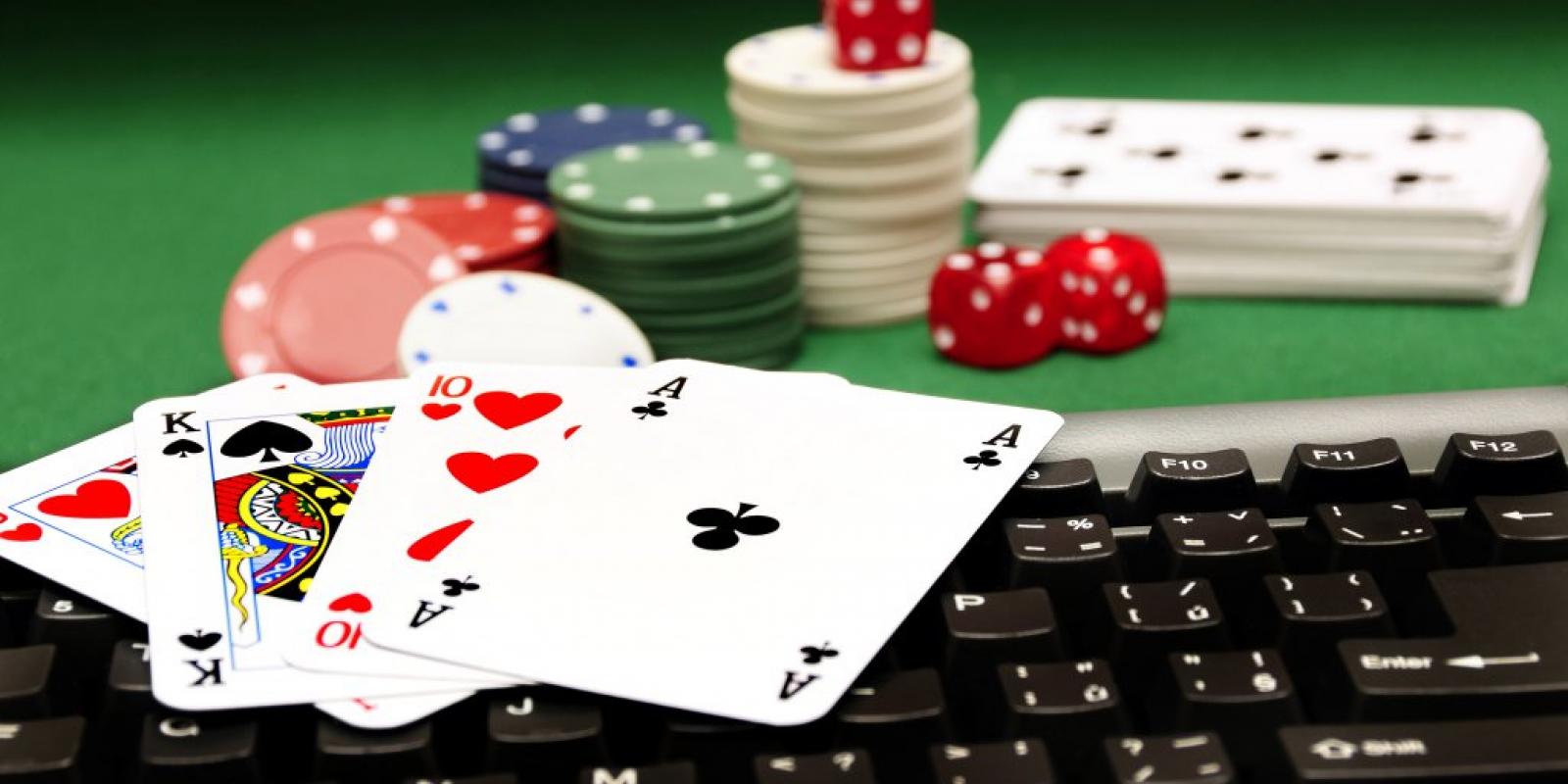
Moreover, the impact of gambling addiction is compounded by its ability to alter brain chemistry. Research indicates that gambling can stimulate the same areas of the brain associated with substance abuse, leading to cravings and withdrawal symptoms when not gambling. As a result, individuals may seek out gambling opportunities as a means to cope with stress or anxiety, further entrenching their addiction. The psychological toll of gambling addiction often manifests in feelings of shame, guilt, and isolation, making it even more challenging to seek help and support from loved ones.
Addressing gambling addiction requires a multifaceted approach, including therapy, support groups, and sometimes medication. Education on the psychological aspects of gambling can empower individuals to recognize the signs of addiction early and take proactive steps towards recovery. Through understanding the underlying psychological mechanisms, those affected can learn to develop healthier coping strategies and rebuild their lives outside the gambling environment. A supportive community and access to resources play critical roles in overcoming the challenges posed by gambling addiction, promoting a journey towards recovery and healthier behaviors.
Understanding why people gamble
Understanding the motivations behind why people gamble is essential for addressing player behavior and encouraging responsible gaming. For many individuals, gambling provides an avenue for escape, allowing them to temporarily forget their problems and immerse themselves in a world of excitement. This desire for distraction can be particularly heightened during periods of stress or anxiety, leading individuals to seek solace in the games as a form of catharsis. Recognizing these motivations can help casinos implement responsible gaming measures to support players and promote healthier habits.
Additionally, the social aspect of gambling cannot be overlooked. Many individuals participate in gaming activities as a social outing, seeking companionship and shared experiences with friends or family. This social dimension can enhance the appeal of gaming environments, as players often enjoy the camaraderie that comes with both winning and losing together. This understanding underscores the importance of creating inclusive spaces that promote positive social interactions while discouraging unhealthy behaviors. By fostering a supportive community, casinos can enhance the overall player experience while minimizing risks associated with gambling.
Finally, the thrill of winning—however rare it may be—acts as a powerful incentive for many players. The potential for a life-altering jackpot can spark hope and drive individuals to return to gaming venues repeatedly. This optimism, combined with an understanding of the associated risks, is crucial for fostering a healthier relationship with gambling among players. By addressing the underlying motivations that drive people to gamble, casinos and communities can work together to promote responsible gaming initiatives and support players in their journeys towards balanced and enjoyable gaming experiences.